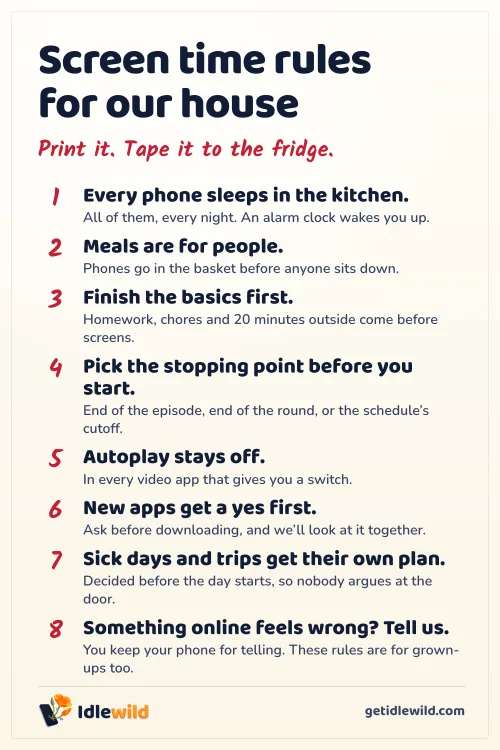
8 screen time rules for the whole house
Rules land better when they belong to the house and the grown-ups keep them too. Print this sheet, tape it to the fridge, and let the paper answer the nightly questions.
- Every phone sleeps in the kitchen. All of them, every night, adults included. The American Academy of Pediatrics advises charging devices outside bedrooms, and a basic alarm clock handles the morning wake-up.
- Meals are for people. Phones go in a basket before anyone sits down. Adults keeping one visible meal rule shows kids how the house handles interruptions.
- Finish the basics first. Homework, daily chores and twenty minutes outside come before screens turn on, so you skip answering the same question twelve times after school.
- Pick the stopping point before you start. Agree on the end of an episode, the end of a round or the schedule's cutoff before anyone presses play.
- Autoplay stays off. Turn autoplay off in every video app that gives you a switch. In a home study of preschoolers, autoplay extended viewing and made kids less likely to follow their own stopping plans.
- New apps get a yes first. Use Ask to Buy on iPhone and iPad so every new app request comes to your phone, and look at the app together before approving.
- Sick days and trips get their own plan. Decide what changes for a sick day, a road trip, a sleepover or Grandma's house before the day arrives, so nobody negotiates at the door.
- Something online feels wrong? Tell us. Say out loud that they keep their phone for telling you when a message or video upsets them. These rules apply to grown-ups too.
Sources: AAP, How to Make a Family Media Plan, 2026 · AAP guidance in Apple's family guide, 2026 · Hiniker et al., CHI 2018
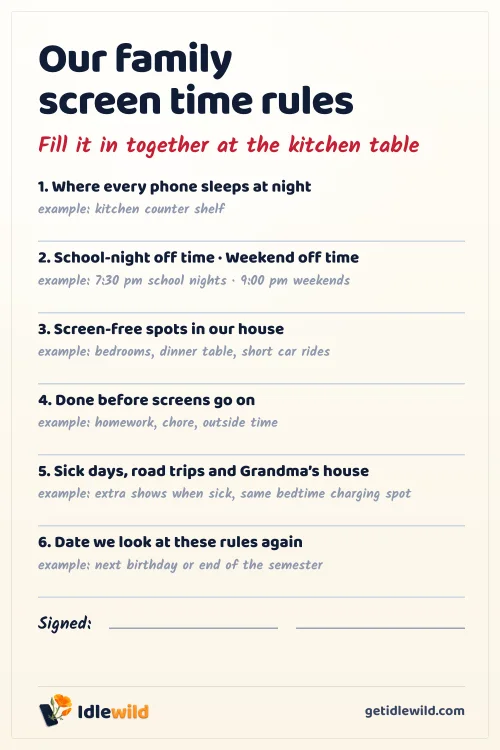
Fill in your own family screen time rules
Pre-made lists never fit every household's week. Sit down at the kitchen table, fill this blank sheet in together, and put the finished page where everyone sees it.
- Where every phone sleeps at night. Pick one shared shelf or basket outside the bedrooms so every device lands in the same place.
- School-night and weekend off times. Work back from wake-up time, leaving an hour without screens before lights out as the U.S. Surgeon General suggests.
- Screen-free spots in our house. Name the exact places, such as bedrooms, the dinner table and short drives around town.
- Done before screens go on. List the two or three everyday jobs that happen before the screen window opens.
- Sick days, road trips and Grandma's house. Write down how the rules bend on unusual days, and which piece stays put, like the overnight charging spot.
- Date we look at these rules again. The AAP suggests revisiting a family media plan at moments like a new school year, summer or a holiday break. Put the date on the calendar so your kid knows when more opens up.
Sources: AAP, How to Make a Family Media Plan, 2026 · U.S. Surgeon General advisory, 2023
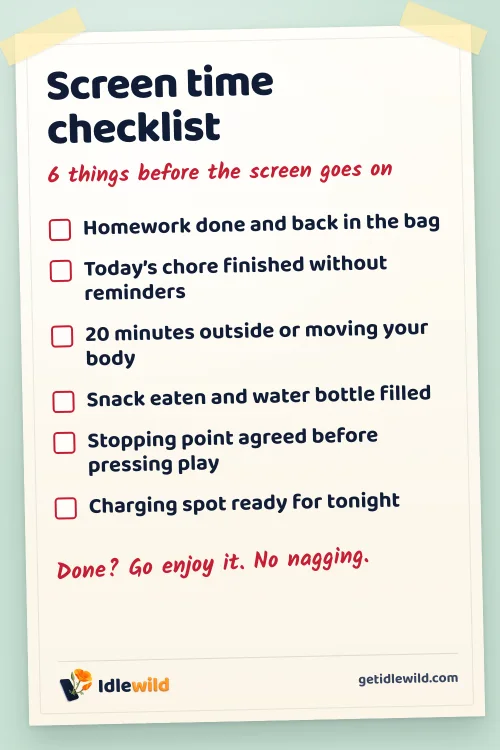
Screen time checklist: 6 things before the screen goes on
When the order of the afternoon lives on the fridge, you stop being the referee at 4 p.m. Six steps for kids 9 to 13 before screens open.
- Homework done and back in the bag. Finished, checked and packed so nothing gets left on the kitchen table at 8 p.m.
- Today's chore finished without reminders. One clear household job owned by your kid.
- 20 minutes outside or moving your body. A bike ride, shooting hoops, walking the dog or jumping rope before sitting down with a screen.
- Snack eaten and water bottle filled. Handle food and water before sitting down so nobody is running on empty at 5 p.m.
- Stopping point agreed before pressing play. Name the episode, game round or clock cutoff before starting, and have the next activity ready afterward.
- Charging spot ready for tonight. Know where the phone goes when the evening window closes.
Sources: AAP Center of Excellence, Setting Limitations on Tech Time, 2023 · Hiniker et al., CHI 2016
Why do rules on paper break down at 9 p.m.?
In Pew Research Center's 2025 survey of U.S. parents of kids 12 and under, 86% had screen time rules, and only about one in five said they stick to those rules all the time. A sheet on the fridge helps everyone agree at dinner, while the apps inside the phone are still built to keep kids tapping.
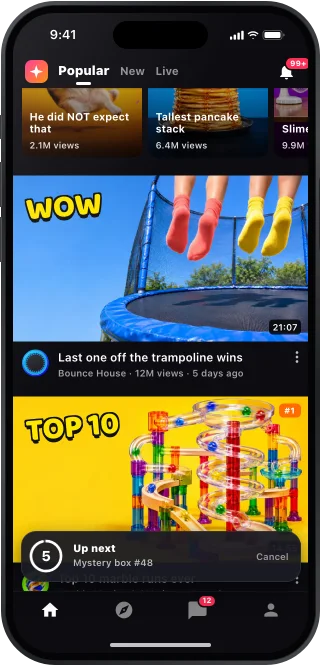
Daily countdown timers often turn watching into a sprint against the clock. When the buzzer hits in the middle of an endless feed with autoplay running, shutting the device off feels abrupt, and a hard lock-out in a 2018 home study of preschoolers did not reduce viewing time or parent step-ins compared with a neutral video player. Moving the rules you can into the phone's schedule and turning off autoplay takes pressure off your willpower at night.
Sources: Pew Research Center, How Parents Manage Screen Time for Kids, 2025 · Hiniker et al., CHI 2018
Rules the phone keeps for you
Paper rules cover the kitchen table, while video and social apps keep running endless scroll, bright thumbnails and autoplay right past them.
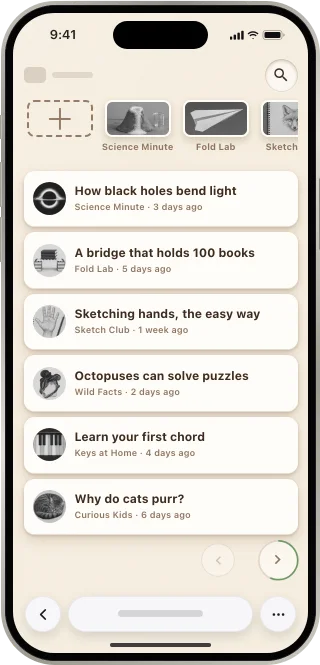
Idlewild is an iPhone and iPad app we're building so the device keeps the rules alongside you. Every page ends, autoplay stays off, schedules plan ahead for trips and school breaks, and your kid's messages stay theirs.
 Idlewild